Present Perfect Continuous tense

In this grammar lesson, we learn how to form and use present perfect continuous tense. The present perfect continuous (or progressive) tense describes actions that started in the past, continued over a period, and are still ongoing or have just finished, emphasizing the duration or process. Let’s go to the lessonGet Started now
Present Perfect tense

In this free grammar lessons, we are learning about how to form and how to use present perfect tense in daily conversation. The present perfect tense is used to talk about actions or events that have a connection to the present. Let’s start learning its form and use: Basic structure of present perfect tense TheGet Started now

be

The verb be (am is are) is one of the most common and versatile verbs in English. It is an irregular verb and is used to indicate existence, states of being, identity, or relationships. Here’s a simple guide to understanding and how to use it: Form The verb “be” changes depending on the tense, subject, and context:Get Started now

Present Continuous tense

The present continuous tense, also known as the present progressive tense, is used to describe actions that are happening at the moment of speaking or around the present time. It is formed using the present tense of the verb “to be” (am, is, are) and the present participle (the baseGet Started now

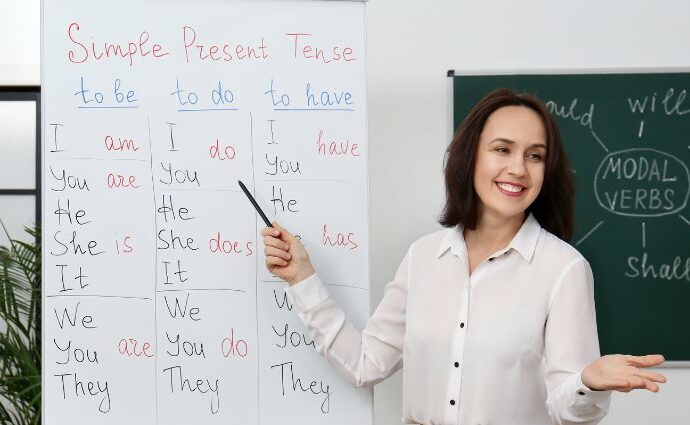
Present Simple Tense

The present simple tense (simple present tense) is one of the basic verb tenses in English. It is used to describe actions that are habitual, routine, or generally true. In the present simple tense, the base form of the verb is used, except in the third person singular, where an -s isGet Started now